







De Kindertelefoon and PwC have worked together before. During the pandemic, PwC assisted the foundation with data analysis and the digitalisation of their training programme. ‘We’ve gained valuable experience in helping organisations implement safe and responsible AI applications’, Maes explains, ‘and we’re eager to share that with De Kindertelefoon, so that they can support children with increased safety and effectiveness. Their social mission aligns perfectly with our pro bono programme, in which we emphasise equal opportunities for all. The programme is all about colleagues dedicating time and expertise to societal challenges. In the case of De Kindertelefoon, it has been inspiring to see our team’s enthusiasm in unlocking AI's potential to help make a difference for children.’
AI as part of the organisational strategy
De Kindertelefoon works with labour-intensive processes, in which privacy is crucial. In this context, the organisation is always looking to improve efficiency and drive digital innovation. ‘As a small organisation, we do not have in-house capacity and expertise in this area. That's why we wanted to work with PwC on a digital Road Map for the coming years,’ explains De Wilde.
Maes adds, ‘De Kindertelefoon is very forward-thinking when it comes to technology. They've been keenly following AI developments. Specifically, they have been exploring how to apply AI safely and responsibly within their current strategy.’
A Road Map with 15 use cases
According to Maes, De Kindertelefoon's volunteers are at the heart of this project. ‘The volunteer pool consists mostly of young people who understand the impact AI can have on their daily work, especially when discussing sensitive topics over the phone. Because we knew their input would be crucial in identifying the real added value of AI, our team frequently joined them on the job to listen in, and gather insights.’
Based on these insights, Maes and colleagues developed a multi-year plan with 15 use cases, several of which directly impact the volunteers’ work.
The practice bot offering chat experience
One of De Kindertelefoon's needs was to further develop and implement concrete innovations in daily work. De Wilde explains: ‘One use case I'd like to highlight is the practice bot. We want to offer volunteers a secure environment in which they can practice having realistic chats with a 'child'. It is a good way to help them develop and improve conversational skills, especially on sensitive topics, like domestic violence or bullying. Another use case involves AI-driven trend analysis, where the goal is to filter out signals about trends from conversations with children. This use case can strengthen our internal policies, and help us translate the voice of children into targeted advice for government and social organisations.’
Knowledge and critical thinking
Asked about the collaboration, De Wilde says, ‘PwC firmly anchored our challenges in De Kindertelefoon's own context. The accessible way in which Arnaud’s team facilitated the project enabled us to build a solid foundation. I also value the fact that the use cases we defined are aligned with our organisational goals and strategic pillars, resulting in valuable insights and practical advice.’
Maes agrees, and emphasises the importance of the social aspect to his team: ‘At PwC, we're proud to be making a real difference in society through projects like this one. Using AI in a human-centred way makes this project especially meaningful.’
Maes says he and the team were impressed by what they encountered while working alongside the organisation. ‘When you’re in the workplace together, you're constantly thinking about how to help the organisation and volunteers in their daily practice,’ says Maes.
What stands out for De Wilde is that, ‘With technical innovations such as AI applications, De Kindertelefoon can better articulate and amplify the voice of children in society.’
Community Programme PwC
Want to find out more about how different PwC teams are impacting society? Explore our community programme.
Maarten van de Pol on location at De Kindertelefoon
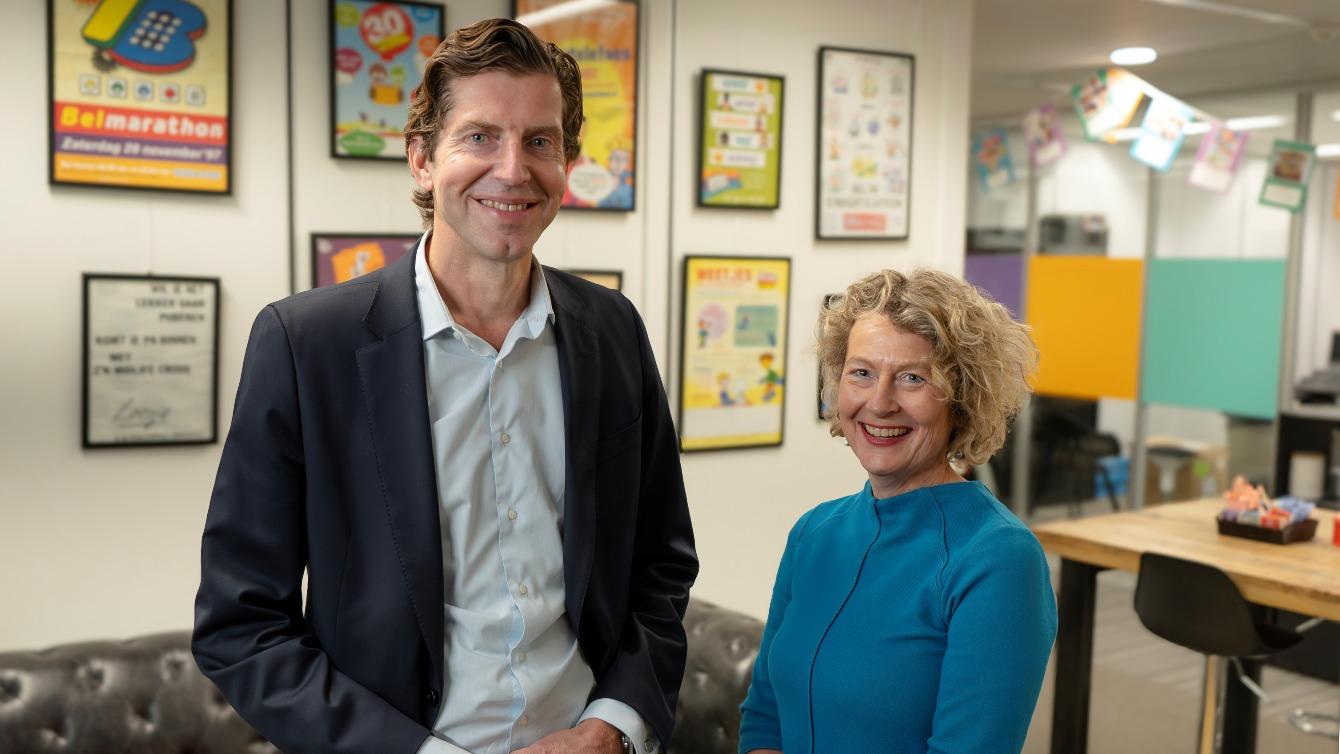
The Chair of the Board at PwC Netherlands, Maarten van de Pol, spent an afternoon with Managing Director Roline de Wilde of the Dutch Child Helpline, De Kindertelefoon. In this video, they discuss how PwC’s advice on AI is contributing to the foundation’s work with children.
PwC x De Kindertelefoon
Contact us