









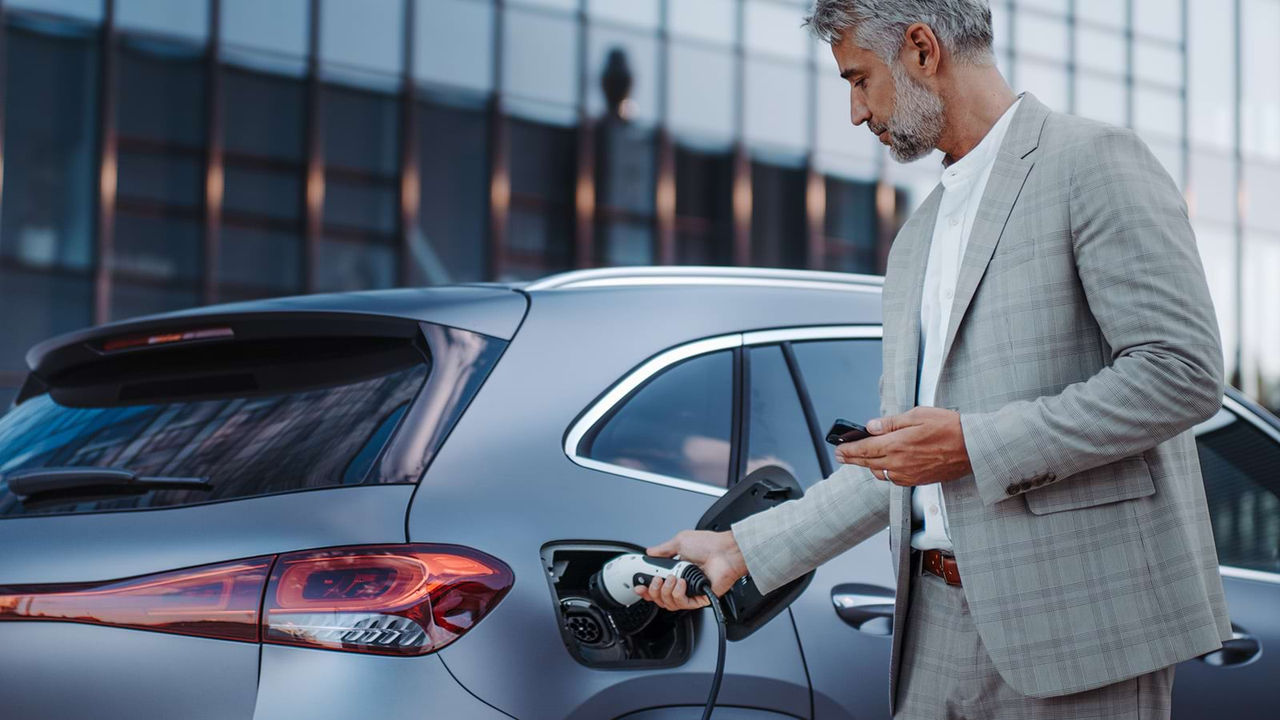
The Netherlands is ‘e-ready’: our infrastructure is almost fully prepared for the definitive transition to electric driving. This is shown by the annual eReadiness Survey from PwC. In this survey, our country ranks third among all 28 countries examined in the EU, Australia, Asia, the Middle East, and the US. However, although 85 per cent of Dutch electric vehicle (EV) owners are satisfied with their cars, 31 per cent are considering returning to a petrol-powered vehicle.
European electric car manufacturers under Chinese pressure
This is mainly due to the costs, says Bart van Osch. ‘Fifteen years ago, the average purchase price of a (petrol) car was 24,000 euros. Now it is double that: 48,000. For the average consumer, that is relatively unaffordable. However, EVs from China are considerably cheaper, which is why we are now seeing European manufacturers also introducing models between 20,000 and 25,000 euros. This is gradually making electric cars accessible again for the average consumer, even through private leasing.’
Fiscal incentives for electric driving phased out
What does not help is the gradual reduction of fiscal incentives, which for years were the driving force behind the growing popularity of electric driving. For example, the discount on road tax for zero-emission passenger cars will decrease from 75 per cent in 2025 to 25 per cent in the following years, to be completely abolished in 2030. The additional tax benefit for company car drivers is also being phased out.
In some municipalities, there are still subsidy schemes for scrapping your old car, but the general trend is a clear reduction in fiscal incentives. The reason for this is simply that electric cars generate less tax revenue for the government, says Van Osch: ‘In the Netherlands, cars have always been an important source of tax income, more so than in neighbouring countries. This brought in more than ten billion euros a year from purchase tax (bpm), road tax, and fuel excise duties. But with favourable fiscal arrangements for EVs, people “fill up” with electricity rather than fuel, which means government revenues fall.’
Emission-free by 2035
According to Van Osch, it would be better to continue to fiscally encourage electric driving. In addition, he trusts in the market. PwC’s research shows that, worldwide, consumers value not only a low purchase price but also practical features such as driving range, charging time, and battery reliability.
Van Osch: ‘In the Netherlands, we also see that these factors influence people’s choices, especially now the financial incentives are diminishing. The challenge is to remove practical barriers, such as a lack of (fast) charging options and uncertainty about running costs. If market players and the government succeed in strengthening trust in electric driving, the transition to an emission-free fleet remains within reach.’
And that is necessary, if only because – at least for now – all new cars sold in the EU must be emission-free by 2035. Quite rightly, says Van Osch. ‘In China, urban air quality is improving enormously, because electric cars simply do not produce direct emissions. That’s a very good example of the direction we should all be heading in.’
Read more about our global eReadiness Survey
Contact us