







'That balance is the DNA of our company. At our head office in Arnhem there is a scale with three scales to constantly remind us of this. Supply and demand of electricity must be constantly in balance, otherwise the lights will not be on,’ says Van Beek in the fourth episode of the video and podcast series CEOs on course.
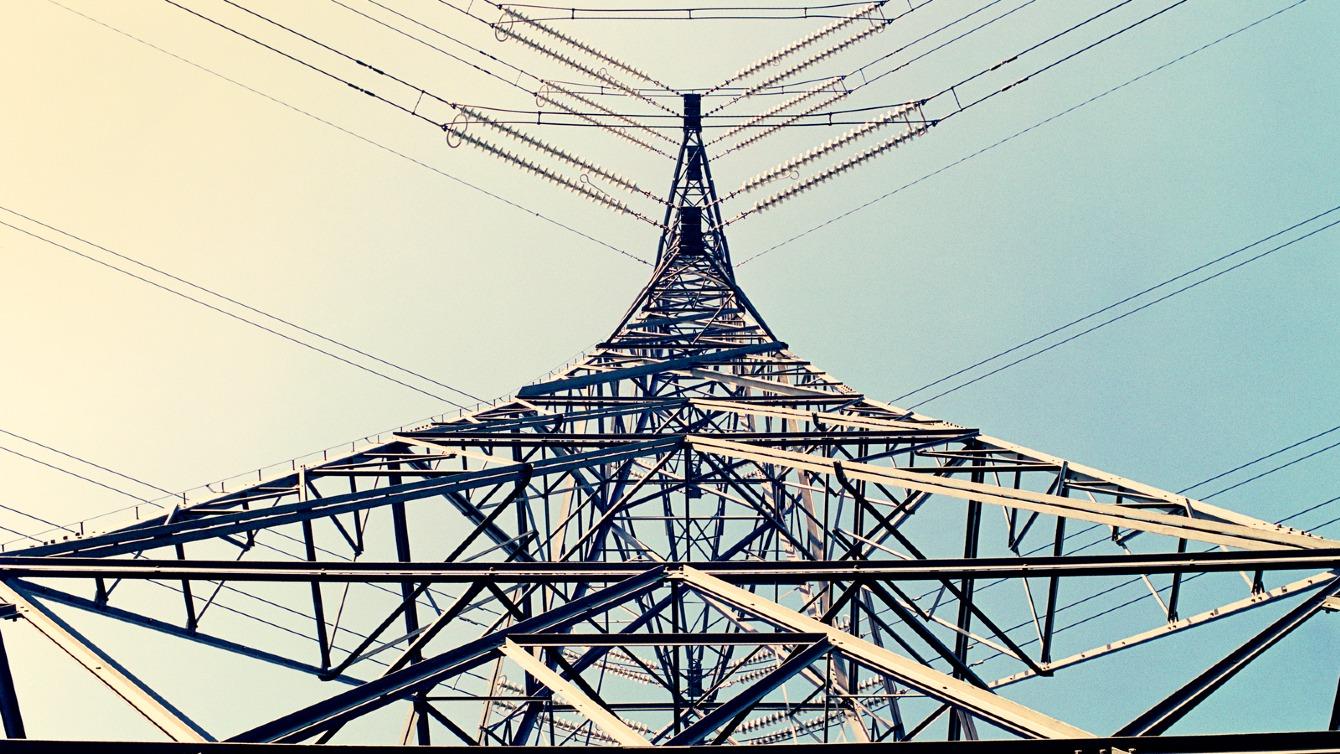
'But that balance also applies at a higher level. How do we continue to ensure a sustainable, reliable and affordable network during the transition and what social considerations do we make in this? These considerations are of course up to politicians, but I do see it as TenneT's task to ensure that they in The Hague are well informed in order to make good decisions.'
S1#4: CEO Manon van Beek van Tennet: ‘Voor succesvolle
A climate-neutral economy in 2045
Manon van Beek consciously chose TenneT more than five years ago, 'because I want to contribute to the energy transition'. The year 2045 is circled in red in her agenda. 'In the Netherlands we want to have a climate-neutral economy in twenty years. So we are busy creating the electricity network that is required for this. It is clear that we have to make significant changes to the network. We really have to start thinking in different concepts.'
According to Van Beek, flexibility is necessary for the energy transition to be successful. 'As our electricity becomes more and more sustainable, the supply also fluctuates more and more. Even when the sun is not shining or the wind is not blowing, there must be electricity. It is important that we move along with what is on offer. The challenge is how we ensure that flexibility not only in our industrial processes, but also with consumers. When do we charge the electric car? When are we doing laundry?'
Affordable energy for everyone
The monthly energy bill remains an important factor for Van Beek. Energy must remain affordable for everyone. 'The results of the recent elections have indicated that many people are concerned about their social security. The energy bill of many Dutch people is still twice as high as it was a few years ago. Sustainability and affordability must continue to go hand in hand.
Corious to hear the full interview with Manon van Beek?
Follow our video and podcast series ‘CEO's on course’.