

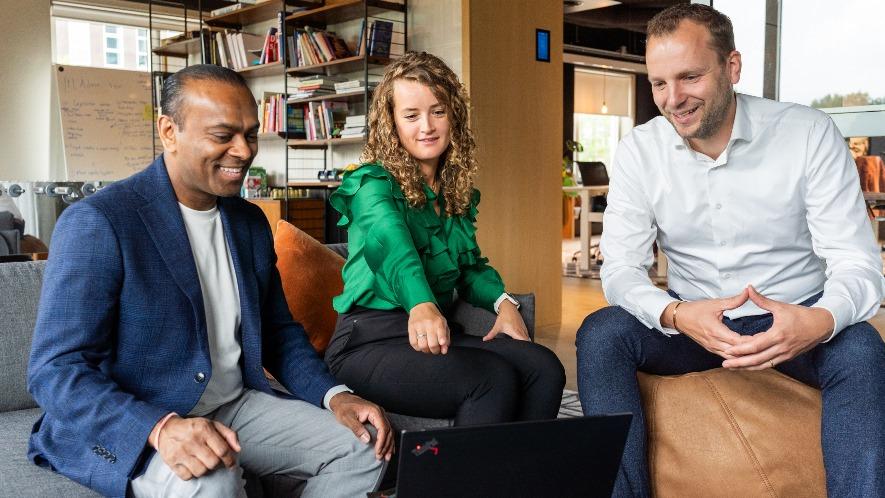
Meet the team
- Robert Paltan, director ESG
Robert has worked at PwC in financial audit for twenty years. His current focus is on ESG assurance. He trained as a chartered accountant (RA) at Erasmus University Rotterdam. - Alexander Blondeel, senior manager Digital Trust
Alexander studied IT auditing at TIAS and Information Management at Tilburg University. He is responsible for advising on IT systems and their impact on the audit approach for Efteling. - Linda de Jager, senior associate core assurance
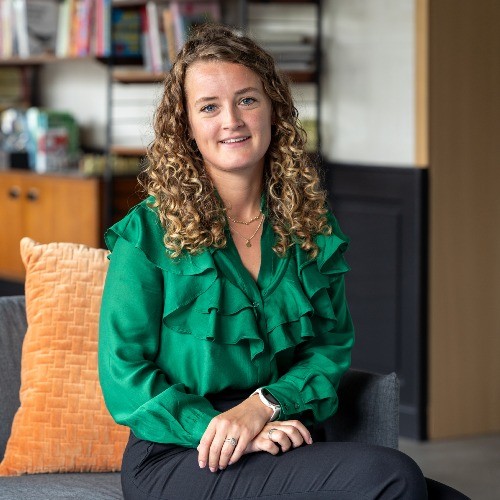
Linda completed her postgraduate degree to become a chartered accountant (RA) at Tilburg University and is currently completing the practical part of her training. She has worked at PwC for almost four years and shares responsibility for auditing the figures in the financial statements. Linda wrote the proposal based on the input collected by the team.
About the project
When Efteling was looking for an auditor for its financial statements, it had one important requirement: IT and ESG needed to be integrated into the proposal as effectively as possible.
Robert: ‘Due to European regulations, Efteling will have to report on ESG from January next year. That is, of course, an area where PwC can provide valuable support.’
Alexander: ‘Efteling has a particularly interesting profile. In addition to its theme park and holiday park, it also operates several hotels and resorts. By bringing together a diverse team with expertise in areas such as real estate, media and entertainment, and food and beverages, we are able to respond effectively to the different challenges facing the client.’
‘Our experience with clients allows us to take a much broader perspective on IT challenges.’
Alexander Blondeel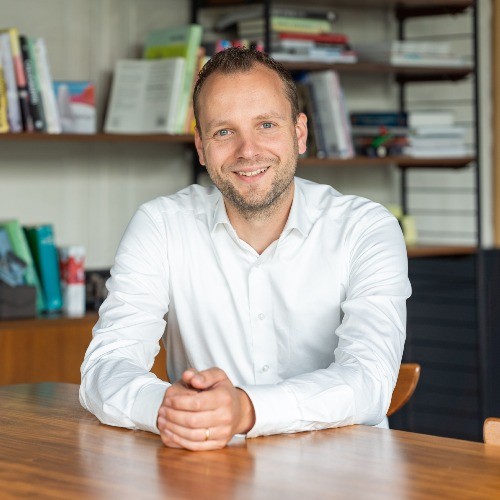
Enthusiasm as the foundation for success
Alexander: ‘There is always a lot of pressure during a proposal process. But the enthusiasm within the team actually gave me a lot of energy during this particular project. You know what you can expect from each other, which helps everyone perform at their best. That is why this project has really stayed with me.’
Linda: ‘I really appreciated having a weekly call with the team. It gave us the opportunity to work through our action points together. It was also very helpful that we could involve colleagues with extensive sector knowledge whenever we needed their expertise. A project like this creates a lot of positive energy. And that ultimately leads to a great result.’
An inspiring client, combined with an enthusiastic team. All the ingredients for a successful process, according to Robert.
‘What stayed with me was the energy the responsible partner brought to the process. He was always full of ideas and regularly initiated spontaneous brainstorming sessions. That energy quickly spread throughout the team. That is exactly the mindset you need. If you want to win, you have to give it two hundred per cent. In the end, you could really feel that enthusiasm in both the presentation and the proposal.’
AI tools for sustainability
For the team, that enthusiasm starts with the very first conversations with the client.
Robert: ‘You want to make an impact from the first conversations you have with the client. That means showing genuine interest in what Efteling does and who they are as an organisation, as well as understanding where they currently stand on ESG. It is not just about listening. It is also about immediately sharing what you notice. Efteling has set ambitious goals, so you want to respond effectively to the information they share with you. They certainly appreciated that.’
The team took a constructive approach when providing feedback on Efteling’s sustainability report.
‘For example, we looked at the double materiality assessment. This is a new element of reporting for most organisations, including Efteling. We offered to act as a sounding board, helping them navigate the steps they need to take in line with European regulations.’
The team also proposed several innovative AI tools for sustainability.
‘With the right tools, for example, you can assess the sentiment and subjectivity of texts in an annual report. This makes it possible to identify inconsistencies in reporting and make connections much more effectively.’
‘Alongside our expertise, we also wanted to bring a personal touch to the proposal.’
Linda de JagerContinuous platform
Efteling is currently undergoing a transformation, moving from its existing IT landscape to a new platform. This will change how data and processes move through its systems, making the transformation an important area of focus.
Alexander: ‘Our experience with clients allows us to take a much broader perspective on a wide range of IT challenges. We do not necessarily need to come up with a specific solution straight away. Based on our experience, we can anticipate opportunities and risks related to Efteling’s digital transformation ambitions.’
Shared values
Linda and the core team also agreed that the proposal needed to clearly demonstrate PwC’s understanding of Efteling. The two organisations share a number of values.
Linda: ‘Shared values create mutual understanding. Efteling, for example, is constantly innovating, while at PwC we are always looking for new possibilities by embracing innovation. Both Efteling and PwC also aim to become climate neutral by 2030. These similarities provide a strong foundation for working together.’
The team also wanted their collaboration to come through clearly in the proposal.
Linda: ‘We translated that into our experienced, human-led and tech-powered team, which can create a sense of wonder through personal interaction and proactive communication. That also connects to the customer experience, which is a very important value for Efteling.’
According to Robert, the team’s determination to win the proposal was reflected not only in their expertise, but also in their personal commitment.
‘We really made an effort to walk around the park ourselves and experience Efteling again first-hand. The weather was extremely cold and unpleasant during the photoshoot, but that did not stop us from posing in front of our favourite attractions.’
Linda: ‘Alongside our expertise, we also wanted the proposal to show who we are as people and our own connection with Efteling. In the team profiles, we included old photos of ourselves or our families at Efteling alongside new photos taken in exactly the same locations.’
A tight schedule and weekly meetings
The team spent a total of two months working enthusiastically on the proposal process. Many team members were also working on other projects at the same time. So how did they organise their collaboration?
Linda: ‘We met regularly, and once we actually started writing the proposal, those meetings became weekly.’
Alexander notes that some meetings had to be scheduled ad hoc around other projects.
‘Experts from other PwC teams often joined to advise us. The IT approach was an important part of the proposal. I worked closely with Linda and her colleagues in the core team because I simply cannot provide IT advice without having the right figures from the financial statements.’
Despite the tight schedule, the team also faced some challenges, particularly during the final stages when important feedback still needed to be incorporated into the proposal.
‘That meant putting in some extra effort over the weekend with a few IT colleagues. It was definitely an exciting moment.’
Linda adds: ‘Last-minute issues can always come up during a proposal process, but ultimately it was our teamwork that helped us achieve a strong result.’
‘Everyone fed off each other’s energy. That is exactly the mindset you need if you want to win.’
Robert Paltan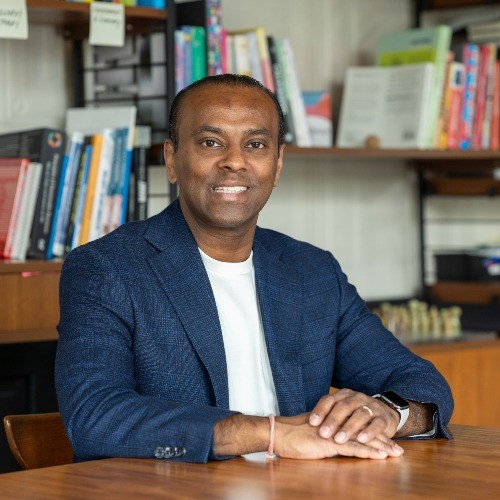
Explore all your job opportunities
Check all our vacancies


